
conSenso® Practice

IntegrativeOsteopathy

Understanding symptoms in their physical context

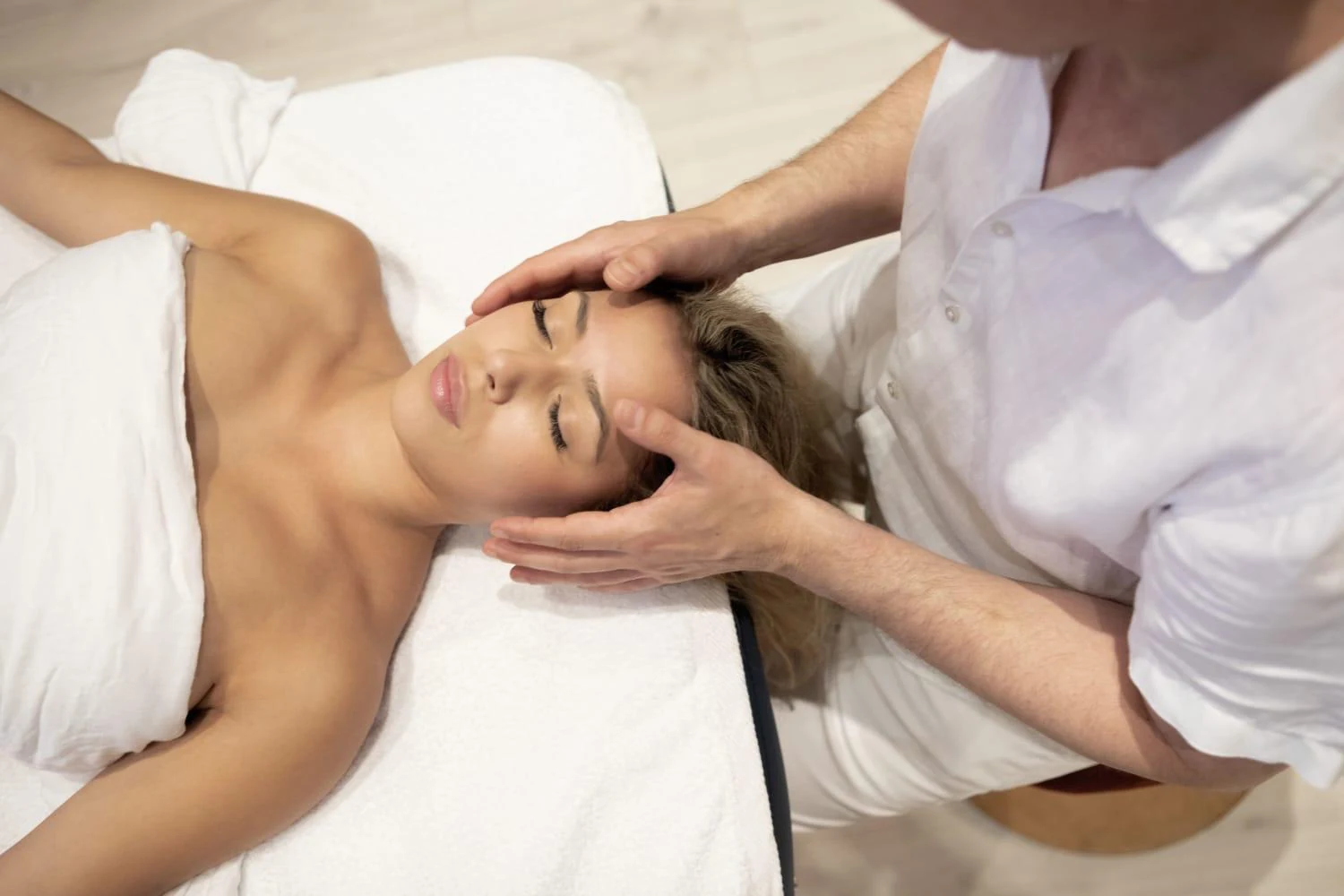
Osteopathic treatment of the head and neck region

Initial orientation

When one area keeps holding

The body can compensate for strain over long periods. If a joint no longer moves freely or a muscle remains tense, other areas begin to take on more work.

Pain may therefore be felt in a different place from the tension that contributes to it. The jaw affects the neck. The shoulder changes the movement of the rib cage. The lower back is closely connected with the pelvis, hips and legs.

We therefore look not only at the place that hurts, but at how posture, movement, breathing, muscles, joints and connective tissue work together.

Assessment and treatment are carried out primarily with the hands. We follow what the body shows and work where movement is restricted or tension continues into another area.

Back · neck · jaw

Back, neck and shoulder

Back and neck pain are among the most common reasons for seeking osteopathic treatment.

Prolonged sitting, screen work, one-sided strain or physical overuse can make it harder for muscles and joints to distribute their work well. The neck becomes tight, the shoulders draw forward or the lower back carries too much load.

Sometimes the pain remains clearly localised. At other times, tension continues across several areas—from the neck between the shoulder blades, from the rib cage into the arm, or from the lower back into the pelvis and legs.

We assess which areas are involved and how they influence one another. We work with restricted transitions and support joints and tissues in moving more freely together.

Jaw, head and upper neck

Jaw clenching and teeth grinding, for example, can place considerable strain on the jaw, temples, head, neck and shoulders.

Many patients notice the tension only in the morning, or when headaches, ear pressure or pain while chewing appear. Stress and restless sleep may also cause the jaw to keep holding.

Following dental or orthodontic assessment, we may include the chewing muscles, temples, base of the skull and upper neck. Where appropriate, the shoulder girdle, chest and breathing are also considered, as tension often continues through these areas.

Treatment is calm and precise. The aim is to ease pressure in the jaw and head and allow the connection between head, neck and shoulders to become more mobile again.

Breathing · abdomen

Breathing, rib cage and diaphragm

Breathing does not happen only in the lungs. The ribs, sternum, spine, abdominal wall and diaphragm all move with every breath.

If the rib cage becomes rigid or the diaphragm resists or loses freedom of movement, breathing may feel shallow or strained. Some people feel unable to take a satisfying deep breath. Others notice pressure in the chest or upper abdomen.

We look at where respiratory movement is restricted. The ribs, sternum, diaphragm, spine and abdomen may be treated together.

With precise, subtle techniques, we give restricted areas more room to move. Breathing often becomes deeper, allowing the shoulders, neck or upper abdomen to let go more easily.

Abdomen and digestion

The abdomen responds sensitively to pressure, stress and changes in breathing. It may feel tight, bloated or unsettled, and digestion may change as well.

The abdominal wall, diaphragm, back and pelvis work closely together. If the abdomen remains tense, breathing often becomes shallower. Conversely, a restricted diaphragm can create greater pressure in the upper abdomen.

We treat the abdominal wall and its connections with the ribs, back and pelvis through calm, sensitively adapted touch. We observe how the tissue responds to pressure and movement, with the aim of reducing tension and giving the abdomen more room for breathing and motion.

Pelvis · daily life

Pelvis, hips and lower back

The pelvis connects the spine and legs. It carries the body’s weight and must continually adapt while walking, sitting and turning.

If one side moves less freely, the hip, groin, sacrum or lower back may be placed under greater strain. One-sided tension in the legs or buttocks can also continue into the back.

We assess how the pelvis, hips, spine and legs work together. Treatment may include joints, muscles and connective tissue.

We work with restricted transitions and support a more even distribution of load.

Not every concern is complex

Many patients come to the practice with a clearly defined physical concern. In that case, this physical relationship remains the focus. Psychological interpretation is not automatically part of treatment.

Daily life and bodily habits

What can shape symptoms in everyday life

Some symptoms are shaped by habits that have long since become unconscious.

Prolonged sitting, jaw clenching, constantly drawing in the abdomen, standing unevenly or shallow breathing can cause certain areas to hold tension repeatedly.

These are not personal failings. The body has adapted to these patterns. Where useful, we show simple ways to notice such habits earlier and change them gradually.

When symptoms persist

When symptoms persist

Persistent pain can change movement, sleep and trust in one’s own body.

A movement may be avoided out of concern about renewed pain. Muscles begin to hold sooner. Sleep becomes more restless and the body recovers less well. Stress or anxiety may add to this tension.

Where these connections matter, we can combine osteopathy, breathing work and body psychotherapy.

What matters, however, is what is genuinely felt in the individual case and what is helpful for treatment.

Assessment and treatment

Before the first treatment, we discuss the current concern, existing diagnoses, previous injuries or surgery, medication and any other relevant factors.

During the assessment, we observe how you stand, move and breathe. The hands assess how joints, muscles and tissue respond to pressure and movement.

Assessment and treatment often flow into one another. When one area begins to yield, tension elsewhere often changes as well.

Treatment does not follow a rigid sequence. It develops from the findings and the body’s response. Touch may be very calm and subtle or more clearly mobilising. The approach and intensity are continuously adapted.

Treatment develops from the findings and the body’s response.

Complimentary introductory consultation

Begin with a personal conversation.

A complimentary introductory consultation can help clarify whether integrative osteopathy is appropriate for your particular concern.

In approximately 20 minutes, we discuss what brings you to the practice, which symptoms are present and whether the practice’s approach may suit your concern.

Telephone 030 2928111 · WhatsApp Business 0176 23441172 · contact@marek-kalbus.de