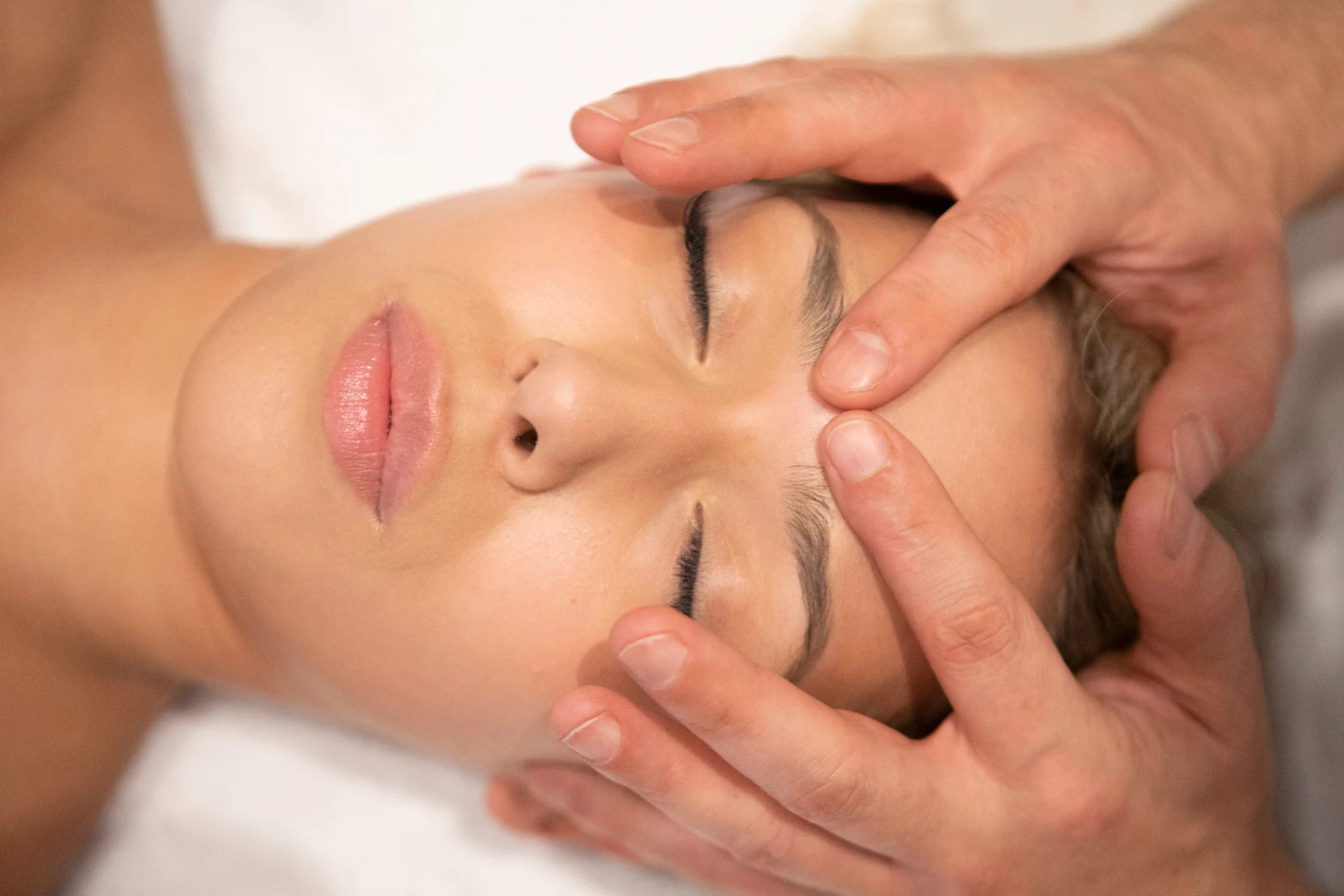

Jaw Clenching, Teeth Grinding and TMD · Berlin-Wilmersdorf

When the Jaw Will Not Let Go Even at Rest

Calm osteopathic support for jaw clenching, teeth grinding and TMD in Berlin-Wilmersdorf

Jaw, Sleep and Everyday Life

When Tension Keeps Working Even Though We Barely Notice It.

A jaw that feels tired or painful in the morning, pressure in the temples or cheeks and increasingly sensitive teeth can indicate that the jaw is working more at night or during the day than we realise. At the conSenso® Practice in Berlin-Wilmersdorf, we support people with jaw clenching, teeth grinding, bruxism and temporomandibular disorders (TMD) when chewing, speaking, yawning, sleep or concentration are affected.

Not every form of jaw tension makes a sound. Some people grind their teeth during sleep. Others press the teeth together or hold the lower jaw tense for hours without noticing it directly.

Existing dental, orthodontic and medical findings are taken into account. Jaw symptoms may also be considered in relation to the head, neck, shoulders, sleep and inner tension.

Morning · Night · Sleep

When the Day Begins with Tension

Some people wake with a tired jaw, chewing muscles that are sensitive to pressure or a dull pain at the temples. Headaches, facial pain or a feeling of pressure in front of the ears may also occur.

Night-time clenching or grinding often remains unnoticed for a long time. It may become apparent only because a partner hears the sound or because symptoms regularly return in the morning.

When Teeth and Fillings Are Affected

More intense or prolonged teeth grinding can wear tooth surfaces, increase sensitivity or place strain on existing fillings and dental restorations.

A dental examination is therefore important. It can clarify whether damage is present and whether an occlusal splint may be useful to protect the teeth.

Tension in Everyday Life

When the Jaw Holds Even Without Making a Sound.

Jaw tension can also occur while awake—during concentrated work, driving, reading or demanding conversations. The teeth do not always have to touch. Sometimes the lower jaw is simply held for long periods.

Stress or inner tension may intensify this response, but they are not automatically its only cause. What matters is when the jaw holds, which other areas respond and whether the body can release afterwards.

The aim is not to monitor the jaw constantly. It can be more helpful to notice tension earlier and regain a clearer sense of the difference between holding and genuine rest.

Chewing · Opening · Jaw Joint

When Chewing, Yawning or Speaking Hurts

Symptoms in the jaw joint or chewing muscles may become especially noticeable while eating, yawning, speaking for longer periods or opening the mouth widely.

The pain may be felt in front of the ear, in the cheek or temple, or deeper within the joint. Some people can no longer open the mouth as widely or evenly as before.

When Clicking, Grinding or Locking Occurs

Sounds in the jaw joint are common and do not automatically require treatment when they are pain-free.

If clicking or grinding is painful, mouth opening is restricted or the jaw locks at times, dental or medical assessment is advisable.

Head · Neck · Ear

When Tension Continues into the Head and Neck

Chewing muscles, temples, the base of the skull, neck and shoulder girdle do not function independently. Jaw tension can therefore occur together with head pressure, tension-type headaches or tightness in the upper neck.

Conversely, persistent tension in the neck and shoulders can affect how freely the lower jaw moves and rests.

When Ear Pressure, Tinnitus or Dizziness Are Present

The jaw lies immediately in front of the ear. Jaw symptoms may therefore be experienced together with ear pressure, ear pain, tinnitus or dizziness.

These symptoms can have many other causes. New or one-sided changes in hearing and pronounced dizziness should be medically assessed, particularly by an ENT specialist.

Dentistry · Jaw Joint · Osteopathy

Jaw Symptoms Need Careful Assessment.

Dental or orthodontic assessment is important where there is tooth sensitivity, visible wear, damage to fillings, painful clicking or restricted mouth opening.

A splint can protect the teeth but does not always explain every pattern of tension in the jaw, head and neck. Osteopathic support can therefore additionally consider which physical connections are relevant in the individual case.

A jaw joint that is merely noisy but pain-free and freely mobile does not automatically require treatment.

conSenso® Practice 1 · Wilmersdorf

A Calm Appointment for an Area That Often Holds Unnoticed.

Osteopathic support for jaw clenching, teeth grinding and TMD takes place at Pfalzburger Straße 43 in Berlin-Wilmersdorf.

The undisturbed individual appointment provides time to understand the pattern across sleep, work and everyday life and to consider the relationship with the head, neck, shoulders and breathing. There is no parallel waiting-room or treatment activity.

The jaw does not have to be monitored constantly. What matters is that rest can once again be experienced as a distinct bodily state.

Complimentary introductory consultation

Understanding Together When the Jaw Holds.

In the free personal consultation, you can describe whether symptoms occur mainly in the morning, during the day or while chewing, and which dental or orthodontic findings are already available.

Headaches, sleep, neck symptoms and situations in which you clench unconsciously may also be important for the initial assessment.

Telephone 030 2928111 · WhatsApp Business 0176 23441172 · contact@marek-kalbus.de